
Blog
The Reality of Viet Minh Discipline
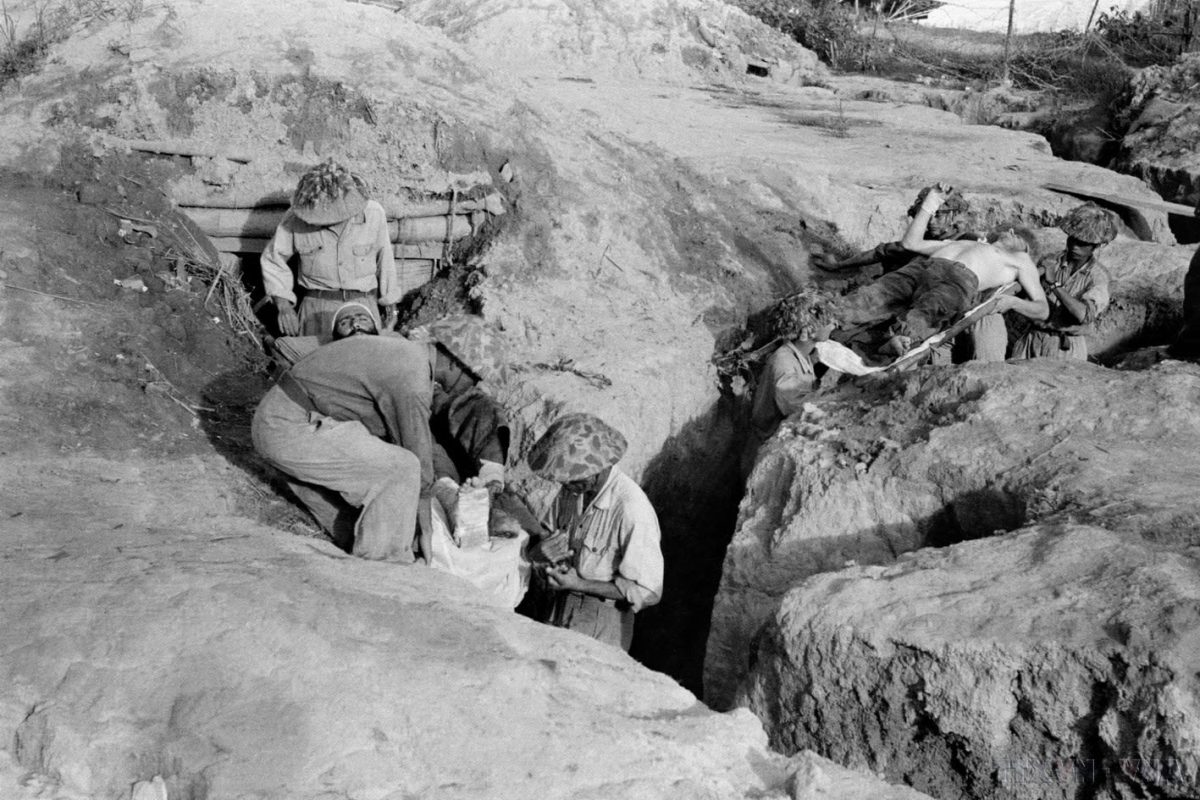
Oct
Once the Viet Minh knew where the French forces were and what they intended to do, they would launch an ambush. Ambushes were one of their most effective tactics. Widely employed, they yielded outstanding results. With the support of the local population, the Viet Minh could infiltrate places where French forces could not operate in the same way.
Once the Viet Minh knew where the French forces were and what they intended to do, they would launch an ambush. Ambushes were one of their most effective tactics.
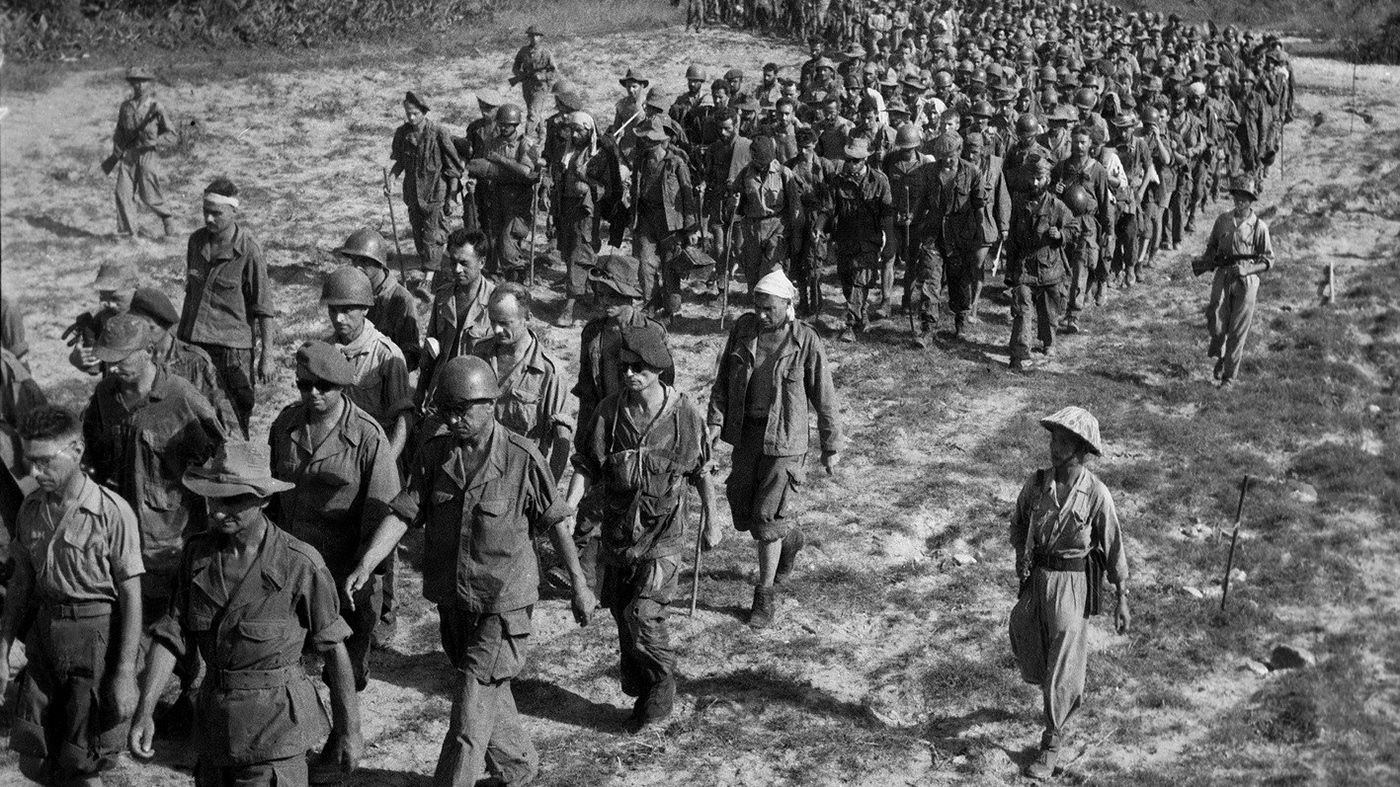
French prisoners of war at Dien Bien Phu being escorted to the rear. (Photo: Vietnam News Agency)
A young French officer recounted an ambush in which he had been caught:
“It was an execution… The French convoy was advancing slowly and cautiously, probing its way forward, when suddenly thousands of Viet Minh fighters launched an attack. Within minutes, the troops were fighting back fiercely. The battle fragmented into thousands of individual hand-to-hand encounters, but the Viet Minh were simply too numerous. Apart from those who had already been killed, more enemy fighters kept emerging from the bushes and rocky crevices.
Each of us had to endure moments of sheer horror, when we felt that we could no longer resist. This feeling was compounded by the realization that the situation had become unbearable and that the unit was dying. Silence fell over the annihilated formation. That deathly silence, that unmistakable smell of death—which you have come to know—was accompanied by groans, the signs by which one recognizes that a great catastrophe has occurred. This is the first reality of defeat.
“Then another reality emerged, one far more astonishing: the discipline of the Viet Minh! I had expected acts of barbarity. Yet, shortly after the final shot had been fired, I witnessed an extraordinary degree of care and organization as order was completely restored. Their officers moved throughout the battlefield, not displaying the arrogance of victors, but behaving as though one military operation had just ended and another was about to begin. There was not the slightest trace of boastfulness among them—no celebration of victory. They attended to everything, took notes, and issued orders to their soldiers. Over there, soldiers armed with submachine guns were gathering the prisoners, arranging them into ranks, and escorting them away. Everything was carried out without a single act of brutality or cruelty, yet without any display of pity.
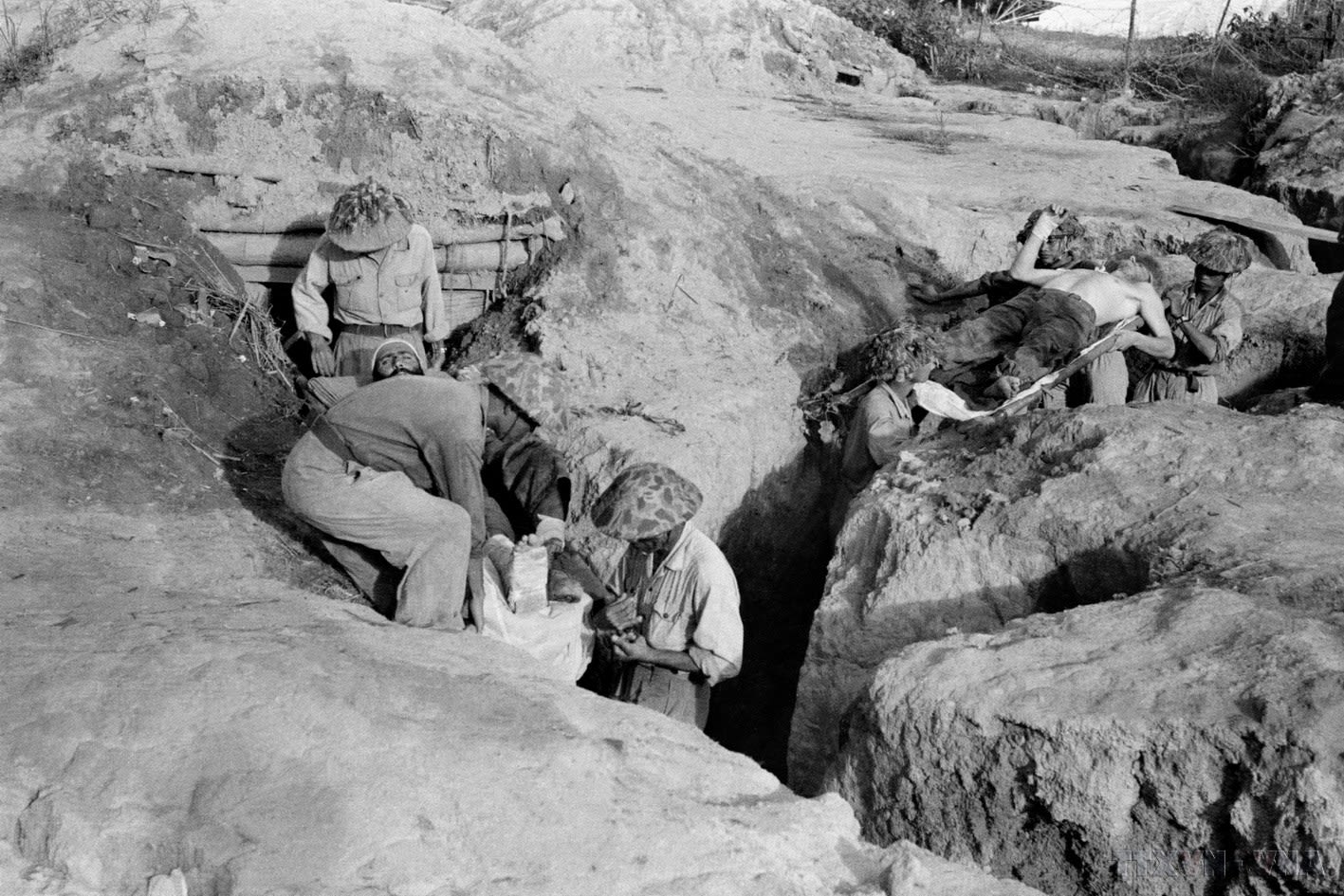
Our military medical personnel treating wounded French soldiers inside underground bunkers. (Photo: Vietnam News Agency)
“Thus, everything had to be done humanely. It was as though they belonged to a world governed by an entirely new set of values. I was confronting local people who belonged to the communist order. This was something absolute in its nature, a thousand times greater than anything we had ever called discipline. Instead of striking everyone over the head, the Viet Minh tended to the wounded while taking prisoners into their custody.
“Everything was carried out without a single act of brutality or cruelty, yet without any display of pity.
“This was a policy that could not fail, a policy that was virtually impossible to resist, and one whose results were all the more effective when applied to the worst and most ruthless enemies, including colonialists. It was a process of education designed to reform even the most depraved souls…”