
Blog
The Battle of Dong Xoai in 1965
Oct
Overview
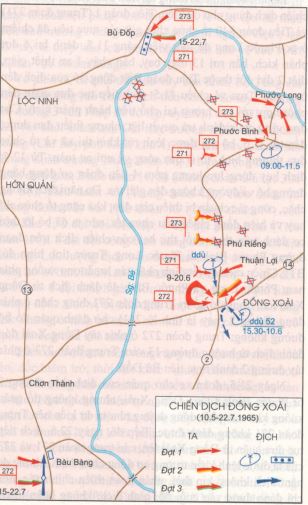
The Battle of Dong Xoai was a major engagement of the Vietnam War, fought from June 9 to 13, 1965, in Dong Xoai, Phuoc Long Province, in what was then South Vietnam. The battle was an important part of the Dong Xoai Campaign, which lasted from May 10 to July 22, 1965.
This battle was particularly significant because it took place during a period of rapid change in the military situation in South Vietnam. Revolutionary forces intensified their military operations, the Army of the Republic of Vietnam faced increasing pressure, and the United States began expanding its direct involvement in the conflict.
Background to the Battle
In early 1965, the war in South Vietnam entered a more intense phase. Following a series of setbacks suffered by the Army of the Republic of Vietnam in earlier operations, the United States increased its military involvement, while revolutionary forces stepped up their efforts to weaken the Saigon government’s system of control.
At the time, Dong Xoai was part of Phuoc Long Province, located in southeastern South Vietnam. Its strategic importance stemmed from its proximity to transportation routes connecting Binh Long, Phuoc Long, southeastern South Vietnam, and the Cambodian border region.
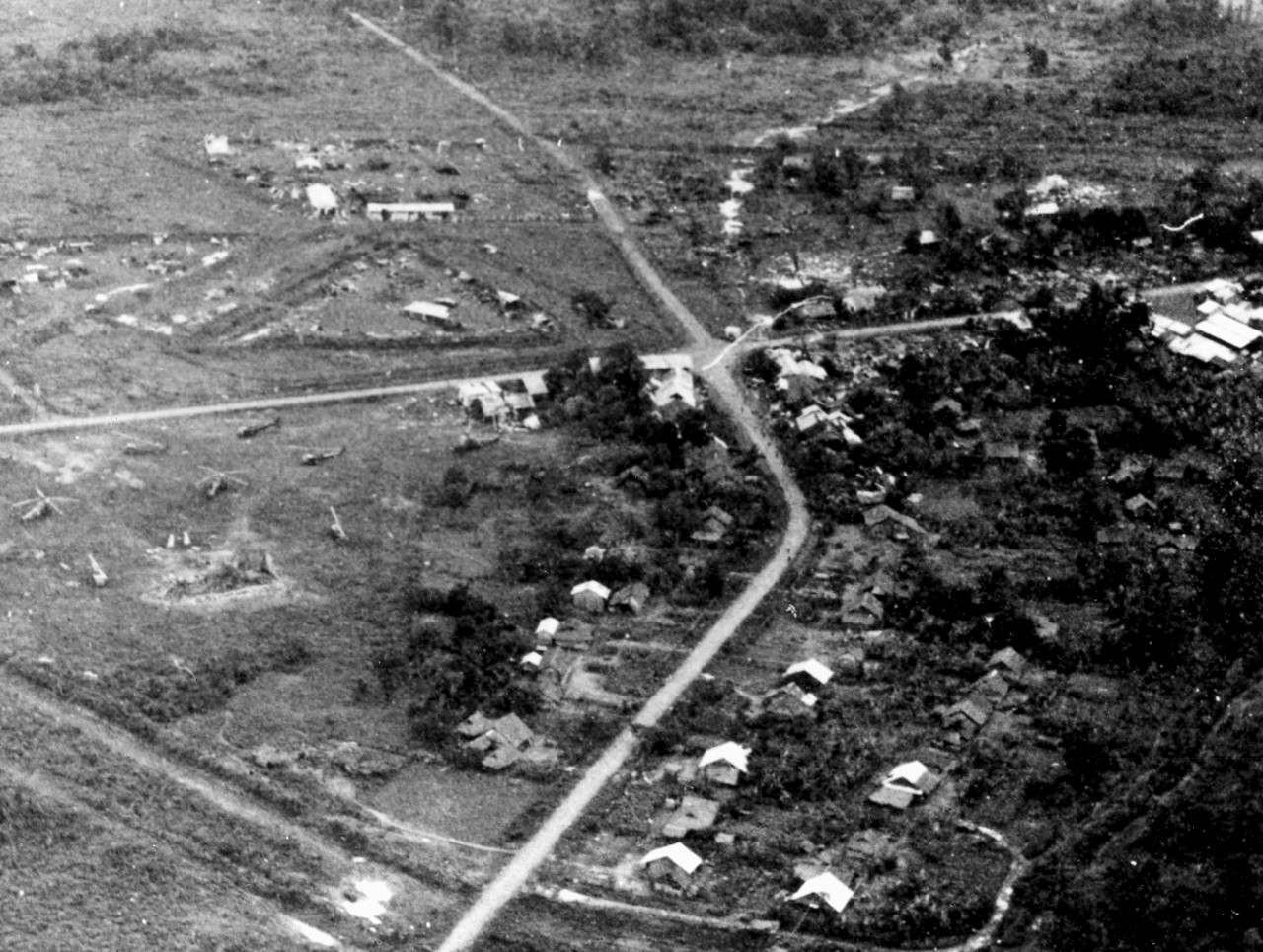
The Army of the Republic of Vietnam established a military complex in the area, consisting of a district military headquarters, Ranger positions, and supporting facilities. American military advisers and local forces were also present. According to materials published by the Vietnam News Agency, this network of bases was intended to support military operations in the surrounding region.
The Night of June 9, 1965: The Battle Begins
The night of June 9 marked the beginning of the main battle at Dong Xoai.
According to Vietnamese military accounts, the initial attack was scheduled to begin around midnight. However, fighting broke out earlier than planned, at approximately 10:15 p.m., when the defending forces detected enemy activity and opened fire.
Because the fighting did not begin simultaneously across all positions, the situation became complicated. The attacking units encountered strong resistance, and the battle continued into the early hours of June 10.
Meanwhile, records from the U.S. Navy indicate that a U.S. Special Forces camp, together with local defending forces near Dong Xoai, also came under attack during the night of June 9–10. The camp was not yet fully completed, and several facilities used for communications and medical treatment were damaged.
An important distinction must be made here: the fighting at Dong Xoai was not limited to an assault on the district military headquarters. It also involved engagements at other military positions throughout the surrounding area.
June 10: The Fighting Spreads
On June 10, fighting continued around the Dong Xoai district military headquarters and nearby positions.
According to Vietnam News Agency accounts, the attacking forces gained control of the district headquarters and several defensive positions. The South Vietnamese side subsequently organized reinforcements in an effort to regain control of the area.
Air support operations were also conducted. Consequently, the battle expanded beyond the central area to include locations along the routes used by the incoming reinforcements.
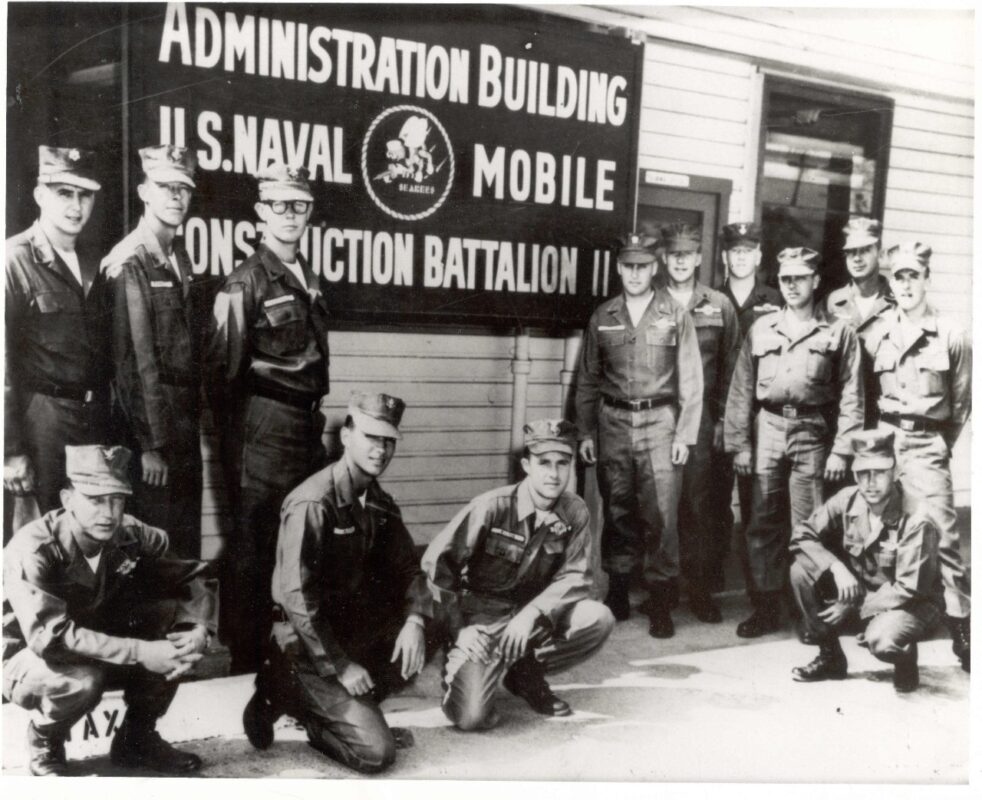
During the fighting around the Special Forces camp, American military personnel, including advisers and members of a Seabee team, also took part in the defense. The Seabees were the U.S. Navy’s construction force, deployed to build and improve facilities at military bases.
One member of the Seabee team, Marvin G. Shields, was seriously wounded during the battle and later died while being evacuated for medical treatment. He was subsequently posthumously awarded the U.S. Medal of Honor for his actions during the engagement.
June 11–13: Reinforcements and Ambushes
Over the following days, the Army of the Republic of Vietnam continued deploying troops to the area in an effort to stabilize the situation. Some units had to move through difficult terrain and extensive rubber plantations.
On June 11, South Vietnamese airborne troops were deployed as reinforcements. While searching for survivors from an earlier infantry unit, these troops encountered an ambush in the Thuan Loi rubber plantation area and suffered significant casualties.
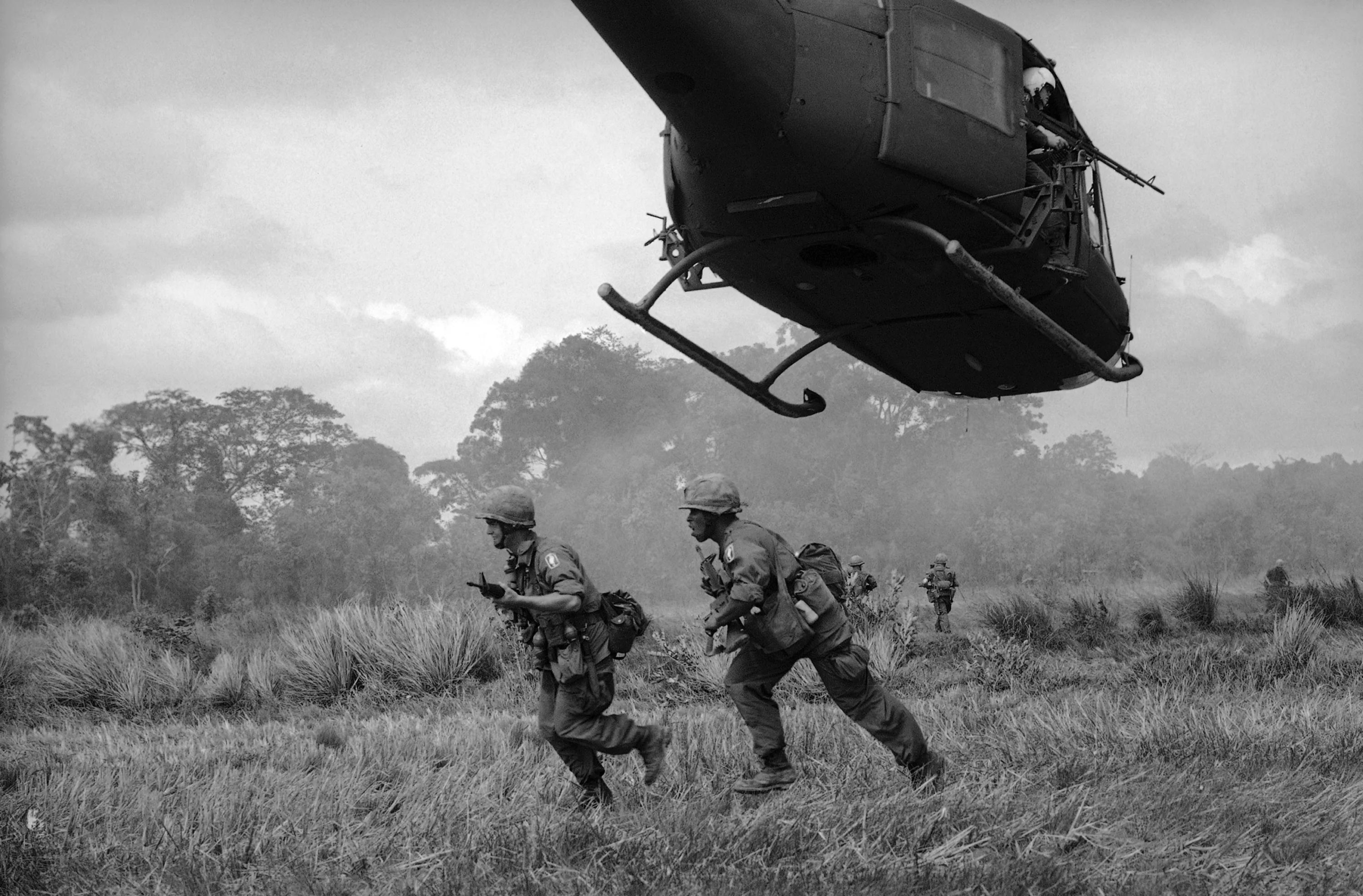
By June 13, General William Westmoreland was considering deploying units of the U.S. 173rd Airborne Brigade to participate directly in the fighting in the area. However, according to a historical summary of the Battle of Dong Xoai, the opposing forces had withdrawn from the battlefield before the American units could be deployed for the planned engagement. The U.S. troops were subsequently ordered to return to their base.
Thus, the Battle of Dong Xoai extended over several days, involving fighting at the district military headquarters, the Special Forces camp, and locations along the routes taken by reinforcing troops.
Casualties and Damage
Casualty figures for the Battle of Dong Xoai vary among historical sources because the opposing sides used different methods of reporting and assessing battlefield losses.
| Category | Reported figures |
|---|---|
| Army of the Republic of Vietnam | One historical summary records 416 killed, 174 wounded, and 233 missing. |
| U.S. military | Historical summaries report approximately 18–20 American military personnel killed during the battle and related engagements. |
| Revolutionary forces | Reported casualties vary considerably between accounts from the opposing sides. |
| Civilians | Local residents were affected by the fighting, and some were forced to leave their homes. |
It should be noted that these figures may not cover the same time period or categories of personnel. Therefore, they should not be combined into a single overall casualty total without first establishing consistent reporting criteria.
Description:
Outcome and Historical Significance
Vietnamese historical accounts characterize the Battle of Dong Xoai as an important victory for revolutionary forces during the campaign of the same name. The capture of the Dong Xoai district military headquarters and the infliction of significant losses on reinforcing troops helped enable the wider campaign to continue through June and July 1965.
The battle’s significance can be understood from three perspectives:
- Military significance: The engagement demonstrated the complexity of fighting around military bases and highlighted the importance of protecting strategic positions and ensuring that reinforcements could reach them safely.
- Strategic significance: The Dong Xoai Campaign contributed to weakening the Saigon government’s control over certain areas of southeastern South Vietnam. Vietnamese historical accounts regard it as one of the important campaigns that undermined the U.S. strategy known as the Strategic Hamlet and Special War framework, particularly the strategy commonly referred to as Special War (Chiến tranh đặc biệt).
- U.S. involvement: American casualties at Dong Xoai illustrated how U.S. advisers and support personnel were increasingly drawn into major combat engagements as the United States expanded its military role in South Vietnam.
Distinguishing the Battle of Dong Xoai from the Dong Xoai Campaign
This distinction is essential to an accurate understanding of the historical events:
- The Battle of Dong Xoai: Generally refers to the principal engagements fought from June 9 to 13, 1965.
- The Dong Xoai Campaign: Refers to the broader military operation, which lasted from May 10 to July 22, 1965, and included multiple engagements in Phuoc Long, Binh Long, and surrounding areas.